Gondia has one of the highest rates of Type 2 diabetes in Maharashtra. I see the numbers every week in my OPD. What I also see, which concerns me far more, is how many of those patients have no idea what their blood sugar is doing to their kidneys, until something goes seriously wrong.
Diabetic nephropathy, kidney damage caused by long-standing diabetes, is the leading cause of end-stage kidney failure in India. It does not start with symptoms. It starts silently, over years, and by the time it causes symptoms it has already done most of its damage. The kidneys have a large reserve capacity. You can lose 50% of kidney function and still feel entirely normal.
How Exactly Diabetes Damages the Kidney
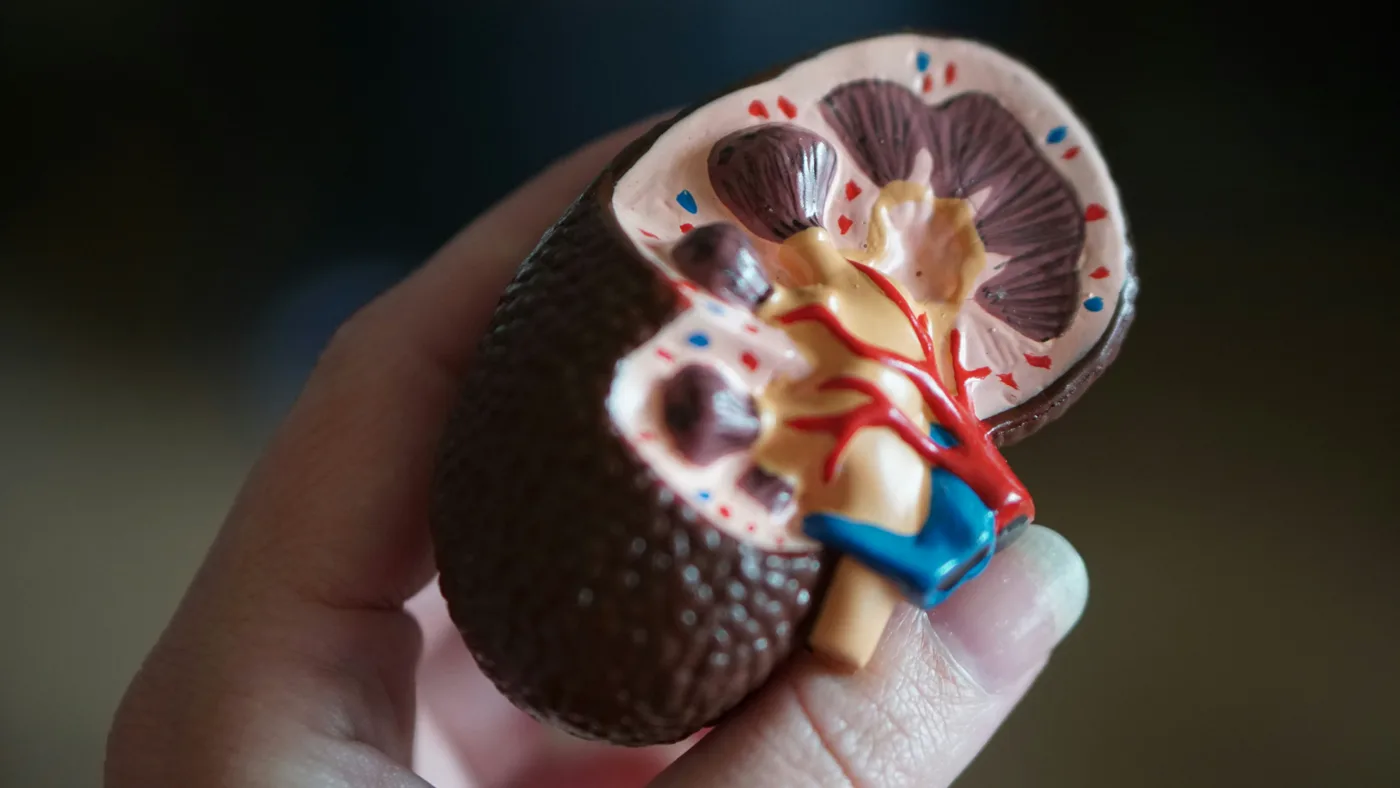
Each kidney contains roughly one million tiny filtering units called nephrons. At the centre of each nephron is a cluster of small blood vessels called the glomerulus, which does the actual work of filtering waste from blood. High blood sugar, sustained over months and years, damages those vessels in two ways.
First, it causes them to become leaky. The first sign we look for is protein in the urine, specifically a protein called albumin. Healthy kidneys do not let albumin through. Damaged ones do. A urine microalbumin test, which costs very little, can detect this leakage before any symptom appears.
Second, high sugar triggers inflammation and scarring within the nephron itself. Over time, scar tissue replaces working kidney tissue. This process is irreversible. You cannot rebuild a scarred glomerulus. What you can do, and what makes all the difference, is slow or stop it from getting worse.
The majority of diabetics who reach dialysis never had to. The kidneys gave warning signals years earlier, through urine tests and blood creatinine. Those signals were either not checked or not acted on.
Signs That Your Kidneys Are Already Under Stress
Most patients ask me: if there are no symptoms early, how do I know? The answer is you know through tests, not through how you feel. But there are some physical signals that, when they appear, should send you to a doctor immediately rather than waiting for your next routine check.
Swelling in the feet and ankles: not the mild swelling you get after a long day on your feet, but puffiness that is present in the morning, that leaves an indent when you press it, and that may extend up the shins. This happens when the kidneys lose enough protein into the urine that blood protein levels fall, and fluid moves from vessels into tissue.
Frothy or foamy urine: protein in urine creates surface tension similar to soap. If your urine produces a foam that persists for more than a few seconds, that is a signal worth investigating. Many patients dismiss this for months.
Fatigue that does not respond to rest: kidneys produce a hormone called erythropoietin that tells bone marrow to make red blood cells. As kidney function declines, this hormone production falls, anaemia develops, and patients feel a tiredness that sleep does not fix.
Changes in urination pattern: passing more urine than usual at night (nocturia), or passing less than you expect to, can both signal kidney stress in a diabetic.
Tests Every Diabetic Should Have Annually
Three tests should be done every year in every diabetic, without exception. These are not expensive. They are available at any reasonable pathology lab in Gondia.
Serum creatinine with eGFR: creatinine is a waste product filtered by the kidneys. When kidney function falls, creatinine builds up in blood. The eGFR (estimated glomerular filtration rate) is calculated from the creatinine value and tells you roughly what percentage of kidney function remains. Normal is above 90. Below 60 requires specialist attention. Below 30 is serious.
Urine microalbumin-to-creatinine ratio (UACR): this catches kidney damage at a stage when it can still be meaningfully slowed. A ratio below 30 is normal. Between 30 and 300 is early nephropathy. Above 300 requires urgent management.
Blood pressure: high blood pressure and diabetic kidney disease feed each other. Every spike in BP accelerates glomerular scarring. Target BP in a diabetic with kidney disease is below 130/80, which is tighter than the general population target.
If your diabetologist or GP has not ordered a UACR test for you in the past 12 months, ask for one specifically. It is often the test that falls through the cracks.
What Actually Slows Diabetic Kidney Disease
The evidence here is stronger than it has ever been, and the tools available now are better than what existed even five years ago.
HbA1c control: keeping your average blood sugar below a level your physician targets (typically HbA1c below 7%) directly reduces the rate of nephropathy progression. This is not optional background noise. It is the most important modifiable factor.
A class of diabetes drugs called SGLT2 inhibitors: medications like empagliflozin and dapagliflozin were originally developed to lower blood sugar, but trials showed they also independently protect the kidneys, slowing the decline in eGFR even in patients whose diabetes itself was controlled. They are now part of standard care for diabetic kidney disease in most guidelines.
Blood pressure medications called ACE inhibitors or ARBs: these have a specific protective effect on the glomerulus that goes beyond just lowering blood pressure. They reduce the pressure inside the glomerular vessels and reduce protein leakage. They are almost always prescribed when UACR is elevated.
Protein and sodium restriction: a dietitian who understands kidney disease can structure a diet that reduces the filtration burden on already-stressed kidneys without causing malnutrition. This is not the same as a general diabetic diet.
When Should a Diabetic See a Urologist
Most early diabetic kidney disease is managed between the diabetologist, nephrologist, and GP. A urologist becomes relevant when complications arise that require structural investigation: recurrent urinary tract infections (which are more common and more serious in diabetics), difficulty passing urine suggesting prostate or bladder involvement, kidney stones (which are more common in diabetics and more dangerous when kidney function is already compromised), or blood in the urine.
At Urocare we also see patients who come to us when their eGFR has declined enough that we need to plan together with the patient's other doctors before any procedure, because many urological interventions need to be modified when kidney function is reduced.
If you are a diabetic in Gondia or the surrounding areas and have not had a UACR in the last year, that is the first thing to do. Everything else follows from knowing where you stand.
Kidney damage from diabetes is largely preventable when caught early. The kidneys are quiet organs, they will not tell you they are struggling. The tests will.