The pain arrives without warning.
A sudden, severe stabbing sensation in your back or side - sometimes in your lower abdomen or groin. It can double you over. It can wake you from sleep. It can come in waves, easing for a few minutes and then returning with full force.
If this has happened to you or someone in your family, there is a high chance it is a kidney stone.
In Vidarbha and central India, kidney stone disease is extremely common - and it peaks in the summer months when dehydration is high. As a urologist in Gondia, I see several stone emergencies every week, particularly between April and September.
Here is what you need to know - and what you need to do.
What Is Actually Happening In Your Body
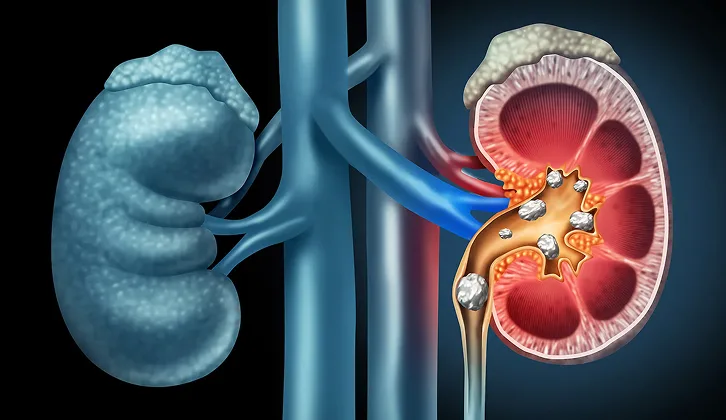
Your kidneys filter waste from the blood and pass it out as urine. When certain minerals in urine become too concentrated, they crystallise and form stones.
Most small stones - smaller than 5 mm - pass out on their own with plenty of fluids. You may feel discomfort and see blood in your urine for a day or two, but the stone exits naturally.
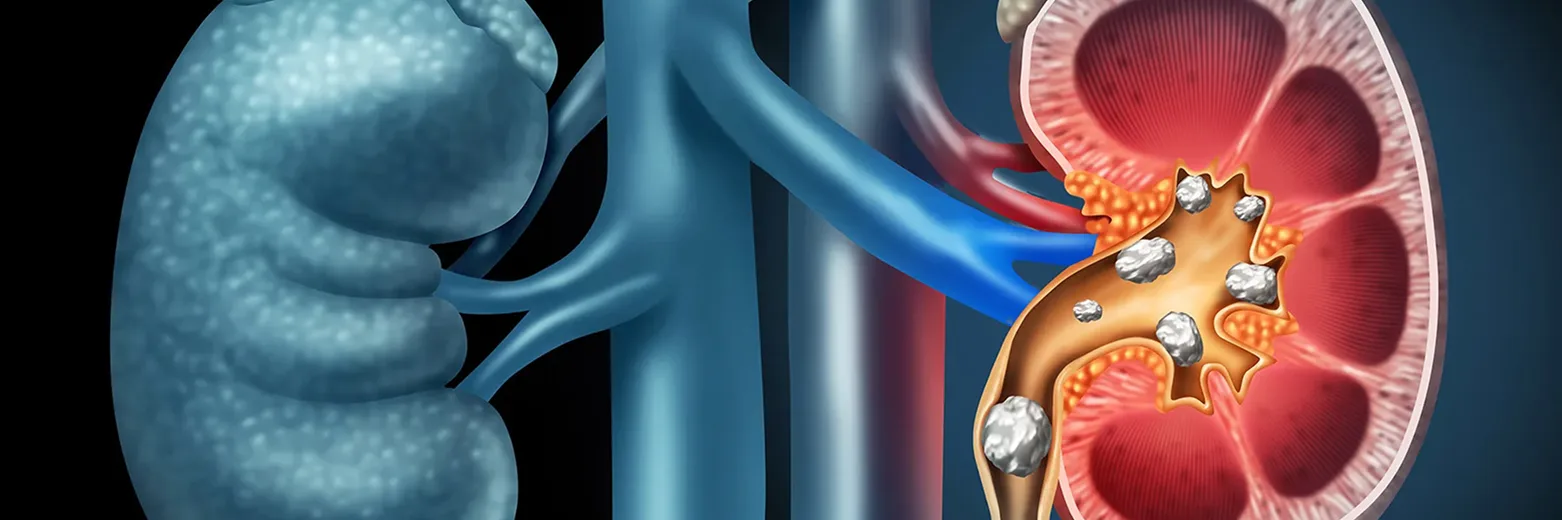
The problem arises when the stone is larger, or when it gets stuck in the ureter - the narrow tube that connects the kidney to the bladder. When a stone blocks the ureter, urine backs up behind it. Pressure builds in the kidney. This is what causes the severe, cramping pain known as renal colic.
Renal colic is one of the most painful experiences a person can have. Many patients describe it as worse than a fracture.
Step 1: Recognise the Symptoms
See a urologist urgently if you have:
- Sudden severe pain in the back, side, or lower abdomen
- Pain that comes in waves and does not settle with rest
- Pain that radiates to the groin or inner thigh
- Burning or pain while urinating
- Blood in urine - pink, red, or cola-coloured
- Nausea or vomiting alongside the pain
- Fever with back or side pain - this is urgent, see below
Step 2: Know When It Is an Emergency
Most kidney stone pain, while very severe, is not immediately life-threatening. However, there are situations that require immediate hospital attention.
Go to Urocare or your nearest hospital immediately if you have fever above 38.5°C with back or side pain - this may indicate a kidney infection or pus in the kidney, which requires urgent intervention.
- You cannot pass urine at all - complete urinary blockage requires emergency drainage
- The pain is unmanageable with any medication - you need intravenous pain relief
- You are pregnant - kidney stones in pregnancy require specialist management
- You have only one functioning kidney - any blockage is an emergency
Step 3: What to Do While You Wait or Travel
- Take a painkiller if you have one (ibuprofen or diclofenac is more effective than paracetamol for stone pain)
- Drink water - but do not force large quantities if you are vomiting
- Do not lie completely still - gentle movement can sometimes help the stone shift
- Note the colour of your urine
- Bring any previous scan reports or investigation results to the hospital
Step 4: What Happens at Urocare
When you arrive at Urocare with stone pain, here is what we do:
- Immediate clinical assessment and pain relief
- Urine test and blood tests including kidney function
- Ultrasound - available same day
- CT scan if required for precise stone size and location
- Dr. Amit reviews the results personally and advises the appropriate treatment
Most patients are relieved of their acute pain within the first hour of arrival.
What Are the Treatment Options?
Once your stone is assessed, treatment depends on size, location, and your kidney function.
- Wait and Watch (stones under 5mm): Small stones often pass on their own with adequate hydration and pain relief. We monitor you and advise when intervention becomes necessary.
- URSL - Ureteroscopic Stone Removal: For stones in the ureter. A thin telescope is passed through the natural urinary opening and the stone is broken with a laser. No cuts. No stitches. Most patients go home the next day.
- RIRS - Retrograde Intrarenal Surgery: For stones inside the kidney. A flexible laser scope is guided up into the kidney. The stone is broken into fine dust using the 35W Thulium Fiber Laser. No external incisions of any kind.
- PCNL - Percutaneous Nephrolithotomy: For large or complex stones. A small keyhole opening is made in the back under anaesthesia. Dr. Amit performs this regularly at Urocare.
- DJ Stent Placement: A small tube placed temporarily to allow urine to drain while the definitive treatment is planned.
Can Kidney Stones Come Back?
Yes. Kidney stones have a recurrence rate of approximately 50% over 10 years if no preventive steps are taken.
After your treatment, Dr. Amit will analyse the type of stone you had, check for metabolic causes, and advise on diet, hydration, and sometimes medication to reduce recurrence.
The most important single step you can take is to drink at least 2.5 to 3 litres of water every day - especially in summer.
A Note About Summer in Vidarbha
Gondia and the surrounding Vidarbha region experience extreme heat from April to September. Temperatures regularly exceed 40°C. Dehydration is a major driver of stone formation in this region.
If you or a family member has a history of kidney stones - increase your water intake significantly during summer. Light-coloured urine is the goal.