Every summer, the number of kidney stone cases at Urocare Hospital increases. This is not a coincidence.
Heat, dehydration, and dietary changes that happen during the warmer months create the exact conditions kidney stones need to form. The good news: most of it is preventable - and if you have had a stone before, summer is the season to be most careful.
Why Summer Is Peak Season for Kidney Stones
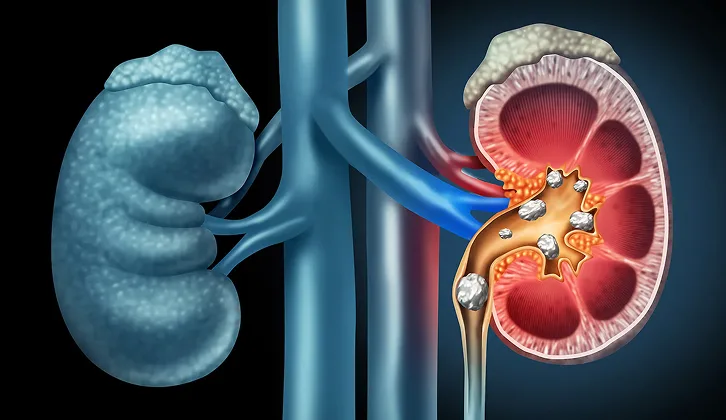
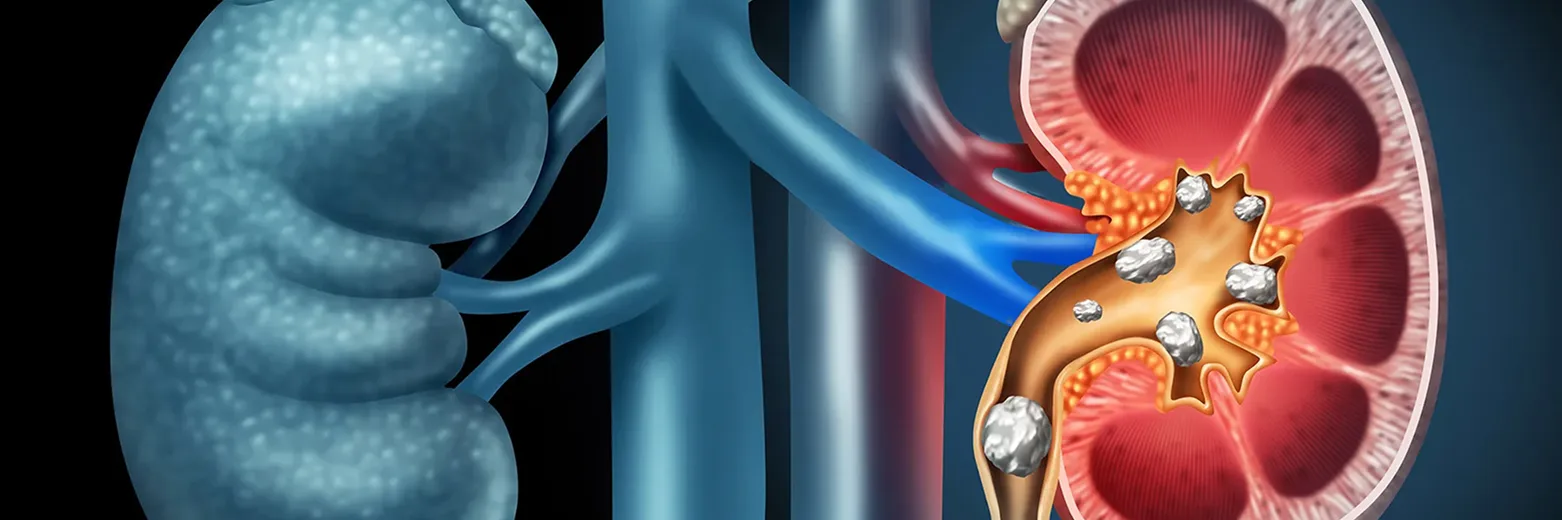
Kidney stones form when minerals in your urine become too concentrated - more minerals, less liquid. In summer, this happens faster and more easily.
Three things drive this:
- Sweating. You lose significant water through sweat. If you do not replace it, your urine becomes concentrated and dark. Stones form in concentrated urine.
- Lower urine volume. When you sweat, your body redirects water away from the kidneys to maintain blood pressure. Less urine is produced - but the same amount of minerals is still being excreted. The ratio tips.
- Dietary changes. Summer eating often involves more oxalate-rich foods (tomatoes, spinach, nuts), more salt, and less consistent meal timing - all of which raise the mineral load in the urine.
In the Vidarbha region, peak temperatures can cross 45°C. A person who does not adjust their fluid intake in these conditions can become clinically dehydrated within hours of outdoor activity - producing urine concentrated enough to precipitate crystals that day.
Who Is at Highest Risk
Anyone can develop a kidney stone, but some people are significantly more likely to:
- People who have had a kidney stone before - recurrence rate is 50% within 5 years without dietary change
- People with a family history of kidney stones
- Men aged 30–50 (the most common demographic)
- People who work outdoors in the heat - labourers, farmers, construction workers
- People with diabetes or high blood pressure (both alter kidney function and urine chemistry)
Warning Signs You Should Not Ignore
Kidney stones do not always announce themselves dramatically. Some warning signs come days or weeks before the pain episode:
- Dull ache in your flank (the side of your back, below the ribs) that comes and goes
- Mild burning or discomfort when urinating
- Urine that is darker than usual - golden or amber rather than pale yellow
The classic presentation is renal colic - sudden, severe, cramping pain in the back or side that may radiate to the groin. It can be accompanied by nausea, vomiting, and the inability to find a comfortable position.
If you have fever with kidney stone pain, go to hospital immediately. Fever with a blocked ureter means infection is building in the kidney - this can become life-threatening within hours.
The Prevention Protocol for Summer
Fluid intake
- Target 2.5 to 3 litres of water per day - more if you are working outdoors or exercising
- Check your urine colour: it should be pale yellow or clear. If it is dark, drink more immediately
- Drink a glass of water before bed and first thing in the morning - overnight dehydration is a real risk
- Add lemon to your water - citrate in lemon juice inhibits stone formation
Diet
- Reduce salt intake - sodium raises the calcium level in urine
- Avoid excess vitamin C supplements - they convert to oxalate in the body
- Limit spinach, beets, and nuts in large quantities if you have had calcium oxalate stones before
- Eat a normal amount of calcium - cutting calcium from your diet actually increases stone risk
The most important single step you can take is to drink at least 2.5 to 3 litres of water every day - especially in summer.
What Happens When You Come in with a Stone
Most patients who arrive at Urocare with kidney stone pain are assessed with an ultrasound or CT scan within the first hour. From there, the path depends on the stone:
- Small stones (under 5–6 mm) - most will pass on their own with adequate hydration and pain management. Alpha-blockers can relax the ureter and help it pass faster.
- Medium stones (6–10 mm) - some will pass; many will not. Surgical intervention is often recommended depending on location and symptoms.
- Large stones (over 10 mm), or stones that do not pass - surgery is indicated. At Urocare, this is RIRS or PCNL - both laser procedures with no open cuts.
Do not wait out severe pain at home. A stone blocking the ureter puts pressure on the kidney. Prolonged obstruction - even 48–72 hours - can cause permanent kidney damage. Early treatment protects the organ.