Every August, the pattern repeats itself at Urocare. Patients come in with burning urination, a constant urge that produces almost nothing, and that low ache that tells you something is wrong before you can name it. Monsoon is UTI season. It happens every year, it is largely preventable, and most people do not know why it happens.
What the Rains Actually Do to Your Urinary Tract
A UTI starts when bacteria, usually E. coli from the gut, enters the urethra and multiplies in the bladder. The monsoon creates three separate conditions that make this far more likely than usual.
The most significant one is the water supply. During heavy rainfall, municipal pipelines in Gondia and surrounding areas lose pressure, and older pipes experience cross-contamination with runoff. Water that looks clean off the tap can carry bacterial load high enough to cause infection when used for washing. This is the biggest driver of the monsoon spike in central India, and it gets almost no attention.
The second is clothing. High humidity means undergarments stay damp for hours after sweating or getting wet. Warm, moist fabric held close to the urethra is exactly the environment bacteria thrive in. Changing into dry clothes promptly - including after getting caught in the rain - matters more than most people realise.
The third is the one patients find most surprising when I explain it: people urinate less frequently during monsoon. Not because they drink less, but because they consciously avoid public toilets in fields, on commutes, at weekly markets. Holding urine for four or five hours removes one of your body's main defences. Every time you urinate, bacteria near the urethra get flushed out before they can ascend into the bladder. Hold it long enough, and you give them the time they need.
Regular urination is not just a comfort habit. It is an active biological defence mechanism. Patients who develop recurrent UTIs almost always, when I ask, admit to holding urine for extended periods during the day.
Who Gets It - and Why Women Are More Vulnerable
Women are roughly four times more likely to develop a UTI than men, for a straightforward anatomical reason. The female urethra is about 4 cm long; in men, it is closer to 20 cm. That difference means bacteria have far less distance to travel to reach the bladder in women, and the opening sits closer to the anal region, which is where most causative bacteria originate.
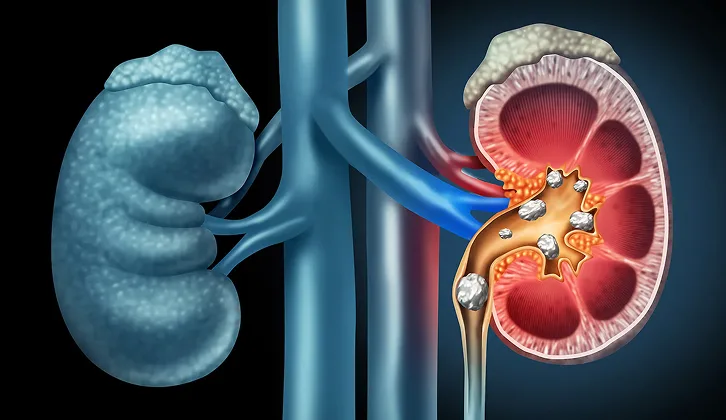
This does not mean men are safe, especially during monsoon. When a man develops a UTI, it usually signals something else is already wrong - an enlarged prostate preventing complete bladder emptying, a kidney stone acting as a bacterial reservoir, or a narrowing in the urethra. A UTI in a man should always be investigated properly, not just treated and moved on.
Others at higher risk during monsoon include people with diabetes (elevated blood sugar suppresses immune response and promotes bacterial growth in urine), anyone with a history of kidney stones, elderly patients with reduced bladder function, and children who play in monsoon water in rural areas and have inconsistent access to clean toilet facilities.
What a UTI Feels Like
The most recognisable symptom is burning during urination. Patients describe it as passing broken glass, or a sharp stinging that starts as you begin and lingers after. You will also feel the urge to urinate far more frequently than usual, though very little comes out each time. There is often a dull, nagging pressure low in the abdomen, around the pubic bone. The urine itself may look cloudy or smell stronger than normal.
Some patients also notice blood, turning the urine pink or faintly red. This happens when the bacterial infection irritates the bladder lining enough to cause small bleeds. It is alarming to see, but it is not uncommon in UTIs and resolves with appropriate treatment.
If fever, chills, or back pain develop alongside UTI symptoms, the infection has likely spread to the kidneys. This is a kidney infection - pyelonephritis - and needs immediate hospital treatment, not oral antibiotics from a pharmacy. A kidney infection left undertreated can cause permanent kidney damage within days.
What Actually Prevents a Monsoon UTI
Drink 2 to 2.5 litres of water daily, and during monsoon, take the source seriously. Boil or filter drinking water, and use the same filtered water for washing the genital area if you are in an area with older pipelines or a borewell that may be contaminated by runoff. Municipal water quality in smaller districts of Vidarbha drops significantly during heavy rainfall.
Change damp clothing promptly. Do not spend hours in wet undergarments after rain or exertion. Avoid scented soaps or hygiene products near the urethra - they disrupt the normal bacterial balance that acts as a first line of defence against infection. For women, always wipe front to back after using the toilet; the reverse direction drags bacteria toward the urethra and is one of the most common proximate causes of UTI.
Urinate every three to four hours regardless of how inconvenient it is. If you are going to be away from a clean toilet for an extended period, plan around it. The discomfort of a UTI lasts days. The discomfort of finding a restroom takes five minutes.
Urinating after sexual intercourse is also genuinely effective - it flushes out bacteria that may have been introduced during sex.
On Treating UTIs Yourself
A simple first-time UTI in a young healthy woman can reasonably be treated empirically - that is, with a short antibiotic course without waiting for culture results. But there are two things I want patients to understand before reaching for whatever antibiotic the pharmacy hands them.
Antibiotic resistance in central India is rising sharply. The drugs that worked reliably for UTI five years ago - cotrimoxazole, ciprofloxacin - are now resistant in a significant portion of cases in this region. Without a urine culture, you may spend an entire week on antibiotics that are not actually killing the bacteria causing your infection. You feel slightly better because of the anti-inflammatory effect, then the infection comes back harder ten days later.
The second issue is recurrence. If you are getting UTIs every month or two, something is keeping the infection coming back. A stone. Incomplete bladder emptying. A structural issue. Repeatedly treating without investigating is not treating the problem - it is managing a symptom while the actual cause continues unchecked.
More than two UTIs in six months, or three in a year, is the clinical threshold for recurrent UTI. At that point, a proper urology workup is needed: urine culture, ultrasound of the urinary tract, and sometimes a cystoscopy. A general physician is not the right referral at that stage.