You notice something alarming: your urine is pink, red, or the colour of tea. Your first instinct is to panic. Your second is to wait and see if it goes away.
Both responses are understandable. Neither is quite right.
Blood in urine - the medical term is haematuria - is one of the most common reasons people search for a urologist. And while it is frequently caused by something straightforward and treatable, it can also be the first sign of something serious that is entirely curable if caught early. The critical question is: which one is it for you? That is not something you can answer by waiting.
Gross vs. Microscopic Haematuria
There are two types of haematuria, and the distinction matters:
- Gross haematuria - blood visible to the naked eye. Your urine looks pink, red, bright red, or like tea or cola. Even a small amount of blood - less than a teaspoon - in a full bladder of urine can turn it visibly red.
- Microscopic haematuria - blood only detectable under a microscope, found incidentally in a routine urine test. Your urine looks completely normal. You would never know without a test.
Both require evaluation. Microscopic haematuria is not reassuring simply because you cannot see it - in some studies, it has been the only early symptom of bladder cancer. The invisibility of the blood does not reduce the importance of finding out why it is there.
The Most Common Causes - From Least to Most Serious
Very common, usually straightforward
- Urinary tract infection (UTI) - bacteria irritate the lining of the bladder and urethra, causing small bleeds. Usually accompanied by burning urination and frequency. Clears with antibiotics.
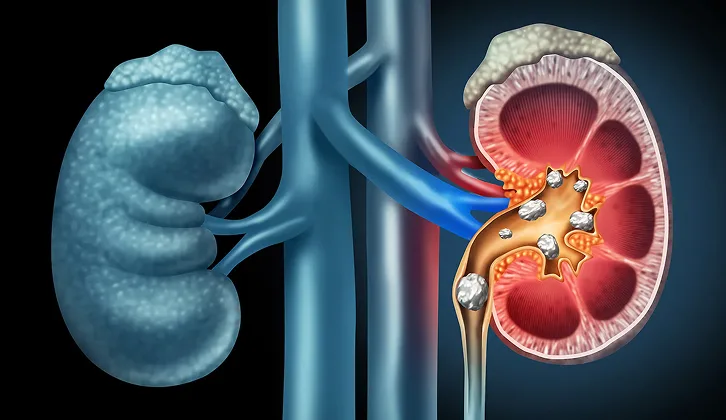
- Kidney stones - a stone scraping along the ureter or bladder lining causes bleeding. Often comes with flank pain or a dull ache. The stone needs treatment; the bleeding resolves once the stone is managed.
- Vigorous exercise - heavy physical exertion, particularly running, can cause temporary haematuria - sometimes called "jogger's haematuria." It typically resolves within 24–48 hours of rest and increased fluids. A single episode in a young person after extreme exercise, with no other symptoms, is low-risk - but still warrants a urine test to confirm resolution.
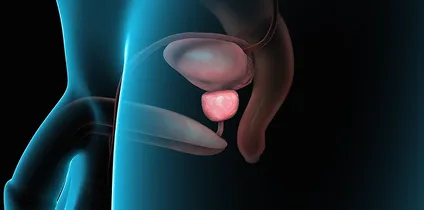
- Benign prostatic hyperplasia (BPH) - an enlarged prostate can cause bleeding due to increased vascularity in the enlarged tissue. Common in men over 50.
Less common, needs prompt evaluation
- Glomerulonephritis - inflammation of the kidney's filtering units. Often presents with brown or tea-coloured urine, swelling in the feet, and high blood pressure. This is a kidney disease, not a urological problem, and requires a nephrologist.
- Polycystic kidney disease - cysts in the kidneys can bleed, causing haematuria. Usually detected on ultrasound.
- Blood thinners (anticoagulants) - medications like warfarin or aspirin can cause haematuria. This still requires investigation - the medication lowered the threshold for bleeding, but the bleeding site still needs to be identified.
Serious - do not miss
- Bladder cancer - painless gross haematuria is the most common presenting symptom of bladder cancer, occurring in over 80% of cases. "Painless" is the key word - many patients wait because it did not hurt. It is also intermittent - it may appear, then disappear for weeks, then reappear. Every episode of unexplained haematuria in an adult requires cystoscopy to rule this out.
- Kidney cancer - haematuria in kidney cancer is typically late-stage, meaning other symptoms (lump, weight loss, flank pain) may also be present. But early kidney cancers can bleed without any other signs.
- Ureteral or renal pelvis tumours - rarer, but haematuria is their most consistent symptom.
The fact that blood in urine is painless, or that it appeared once and then stopped, is not reassuring. Bladder cancer classically presents with painless, intermittent haematuria. "It stopped on its own" is not a reason to not investigate - it is a reason to investigate more urgently.
What to Do When You See Blood in Your Urine
Step 1: Do not panic - but do not wait either
A single episode of visible blood in the urine is alarming but not an immediate life-threatening emergency in most cases. You do not need to go to a casualty ward at 2 AM for this (unless it is accompanied by severe pain, high fever, inability to urinate, or you are passing large clots). But you do need to see a urologist within a few days - not weeks.
Step 2: Note these details before your appointment
- When in the stream did the blood appear? Beginning (suggests urethra or prostate), end (bladder neck or prostate), or throughout (kidney or bladder)?
- Was there pain? Where - flank, lower abdomen, burning on urination?
- Did you pass any clots? What shape - worm-shaped clots suggest the blood originated in the kidney or ureter
- Any recent vigorous exercise, trauma, or illness?
- Are you on any blood thinners, NSAIDs, or antibiotics?
- Any recent weight loss, fever, or night sweats?
Step 3: The tests your urologist will order
A proper evaluation of haematuria typically includes:
- Urine routine and microscopy - confirms blood is present and looks for infection, casts (a sign of kidney disease), or abnormal cells
- Urine culture - if infection is suspected
- Ultrasound of the urinary tract - checks kidneys, ureters, and bladder for stones, masses, or cysts
- CT urogram - the gold standard for imaging the entire urinary tract when a cause has not been found on ultrasound
- Cystoscopy - a thin flexible camera passed through the urethra to look directly inside the bladder. This is the only way to definitively rule out bladder cancer. It takes about 10 minutes and is done under local anaesthesia at Urocare Hospital.
A cystoscopy sounds frightening, but it is the single most important test for haematuria. It is a quick outpatient procedure. The 10 minutes of discomfort is worth the certainty that your bladder is clear - or the early detection of something that is entirely treatable when caught before it spreads.
Go to Hospital Immediately If You Have Blood in Urine With:
- Large blood clots, or clots that are causing difficulty urinating
- Complete inability to urinate (urinary retention)
- Severe pain - flank, abdominal, or pelvic
- High fever (above 38.5°C) with chills
- Recent significant abdominal trauma or fall
- You are on blood thinners and passing large amounts of blood
Three Things That Are Not Blood in the Urine
Before your appointment, it is worth ruling out red colouration from dietary causes:
- Beetroot - eating beetroot can turn urine pink or red in some people (a condition called beeturia). It is harmless and resolves within 24 hours.
- Red or purple food dyes - some packaged foods and drinks can temporarily discolour urine.
- Certain medications - rifampicin (used for TB) turns urine orange-red. Phenazopyridine (urinary pain relief) turns it bright orange.
If you are uncertain, the test is simple: a urine dipstick and microscopy at any lab will confirm whether there is actual blood present.